
As spring arrives, many homeowners notice a musty smell coming from their HVAC systems. The transition from the moist, cool climate of Portland’s winter into a rainy, temperate spring creates optimal conditions for these odor issues to emerge. Understanding what’s behind that unpleasant scent is essential to maintaining both the comfort of your home and the efficiency of your climate control system.
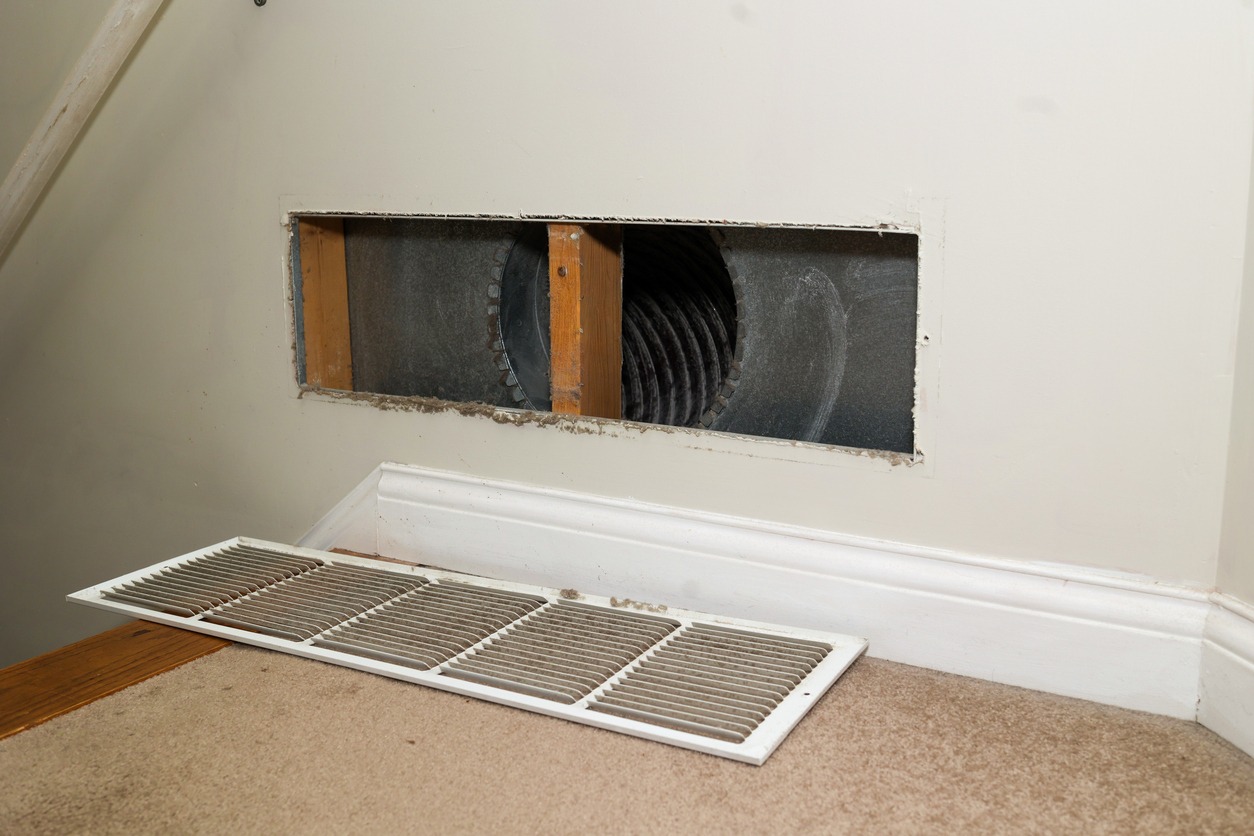
Why Does Your HVAC Smell Musty During Spring?
The HVAC system in your home is designed to move and condition large volumes of air from outside and inside. In the Pacific Northwest, high humidity and rainfall during spring make for an environment where moisture can build up inside ducts and on system components. When this moisture has nowhere to go, it combines with dust, pollen, and organic matter, leading to the growth of mold and mildew.
The musty odor often means microbial growth has taken hold in places such as:
-
Drain pans that have become clogged with debris.
-
Air ducts where condensation forms and sits still.
-
Evaporator coils and blower components that aren’t regularly cleaned.
Common Causes of Musty Odors in HVAC Systems
Identifying the root cause behind a musty HVAC smell is the first step toward resolving it. In Portland’s persistent spring dampness, the following issues often lead to odors:
-
Clogged or dirty air filters that trap moisture and organic debris.
-
Blocked or misaligned drainage lines, preventing proper runoff.
-
Improper insulation causing condensation to linger on ductwork.
-
Mold colonies in ductwork, especially where piping runs through cooler, shaded areas of the home.
Routine HVAC maintenance helps stop these problems from developing. In homes serviced by Three Rivers Heating and Cooling, regular inspections often reveal that a blocked drain or neglected filter is the culprit.
How Regular HVAC Maintenance Prevents Musty Smells
Routine upkeep is the most effective way to protect your air quality and comfort. Technicians from reputable providers, such as Three Rivers Heating and Cooling, deliver solutions that address odor and underlying causes. Recommendations commonly include:
-
Replacement of dirty air filters to prevent dust and pollen buildup.
-
Inspection and cleaning of evaporator coils for mold prevention.
-
Clearing of condensate drain lines so water does not stagnate.
-
Ductwork cleaning for homes with older systems or persistent problems.
By scheduling HVAC maintenance, you ensure that not only are musty smells eliminated, but energy efficiency and system lifespan are also improved.
When to Call a Professional for Help
Certain situations indicate that a professional should be contacted to resolve HVAC odor issues, especially in Portland, where seasonal moisture challenges can be persistent:
-
A musty smell lingers even after changing the air filter.
-
Visible mold or mildew appears near vents or HVAC equipment.
-
Allergic symptoms worsen indoors despite cleaning and airflow improvements.
-
The HVAC system is overdue for a professional tune-up.
Professional technicians offer thorough cleaning and inspection services. In some cases, they will recommend repairs or upgrades, such as duct sealing or installation of air purification systems, to resolve lingering odor and improve overall indoor air quality.
Contact Three Rivers Heating and Cooling for Spring HVAC Solutions in Portland, OR
If that musty HVAC smell is bothering you this spring, rely on the local difference at Three Rivers Heating and Cooling. Serving Portland, OR and surrounding areas, our team provides trusted air conditioning repair, furnace services, and duct cleaning to ensure your system runs fresh and efficiently. For personalized service, call 503-739-5400 or fill out our online form to schedule your spring inspection and maintenance today.